Evaluating Painted School Pencil Clipart PNG for Educational Design Projects
In the realm of digital education resources and classroom decoration, the choice of visual assets can significantly impact the effectiveness of a lesson plan or the aesthetic appeal of a learning environment. Among the various options available to teachers, instructional designers, and content creators, Painted School Pencil Clipart PNG has emerged as a distinct category that bridges the gap between traditional hand-drawn art and modern digital utility. This specific style offers a textured, organic feel that differs markedly from the sterile precision of vector graphics or the rigid lines of standard clip art. Understanding what makes this resource unique, how it compares to alternatives, and when it is the most appropriate tool for your project is essential for making an informed decision.
The Distinctive Nature of Painted Style Graphics
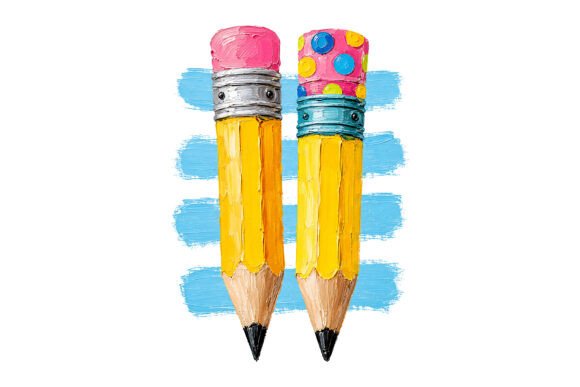
The primary characteristic that sets Painted School Pencil Clipart PNG apart is its texture. Unlike flat, solid-color illustrations often found in basic stock libraries, these images mimic the look of watercolor washes, colored pencil strokes, or marker ink on paper. This artistic approach introduces subtle variations in opacity and color blending, creating a sense of depth and warmth. When integrated into a design, these elements do not appear as mere digital stickers; they evoke the tactile experience of a real classroom where students use physical stationery.
The "PNG" aspect of the file format is equally critical. A PNG (Portable Network Graphics) file supports transparency, allowing the painted edges of the pencil illustration to blend seamlessly with any background color or pattern. This is a significant advantage over JPEG formats, which typically include a white box around the subject. For designers working on layered projects—such as creating worksheets, slide decks, or bulletin board headers—the ability to place a painted pencil over a complex background without unsightly borders is a functional necessity.
Comparing Formats: PNG Transparency vs. Standard JPEG
When evaluating digital assets, the file format dictates the flexibility of the final product. Many free clip art sources provide only JPEG files. While JPEGs are excellent for photography and simple web viewing, they lack an alpha channel for transparency. If you attempt to place a standard JPEG of a school pencil onto a blue worksheet background, the image will likely retain a white square behind it, requiring additional editing work to remove the background manually.
In contrast, the Painted School Pencil Clipart PNG arrives ready for immediate integration. The transparent background means the painted strokes stop exactly where the artist intended, regardless of the underlying layer. However, there are tradeoffs to consider. PNG files can sometimes be larger in file size than compressed JPEGs, which might be a minor consideration if bandwidth is extremely limited. Yet, for most educational applications where print quality and visual clarity are paramount, the slight increase in file size is negligible compared to the time saved in post-production editing.
Artistic Style: Hand-Painted vs. Vector Illustrations
Beyond file formats, the stylistic approach is a major decision factor. The market is saturated with vector-based clip art, which relies on mathematical paths to create perfectly smooth lines and solid blocks of color. Vectors are scalable to any size without loss of quality, making them ideal for large-format printing like banners. However, their perfection can sometimes feel cold or impersonal in an educational context.
Painted School Pencil Clipart PNG offers a different emotional resonance. The imperfections inherent in a hand-painted style—the slight bleed of watercolor or the grain of a pencil stroke—create a welcoming, human-centric atmosphere. This is particularly effective for younger students who respond well to warm, inviting visuals. While vectors offer infinite scalability, high-resolution PNGs used within reasonable dimensions (such as standard letter-size worksheets or screen presentations) maintain sufficient clarity while providing a more organic aesthetic.
Consider a scenario where a teacher is designing a "Back to School" newsletter. A vector pencil might look sharp but generic. A painted pencil, however, suggests creativity and the joy of learning. The choice depends on the desired tone: professional and sleek (vector) versus creative and approachable (painted).
Best-Fit Situations for Painted Clip Art
- Early Childhood Education: The soft textures and warm colors of painted styles are less intimidating and more engaging for preschool and elementary students.
- Creative Writing Prompts: The artistic nature of the imagery can inspire students to think creatively rather than just focusing on rote tasks.
- Teacher Portfolios and Blogs: These assets add a personal touch to digital portfolios, distinguishing them from corporate-style templates.
- Custom Stationery Design: When creating printable planners or notebooks, the painted look mimics the feel of real paper goods.
Practical Considerations for Digital Downloads
Acquiring these resources typically involves a digital download process, often delivered as a ZIP file containing multiple formats, such as both JPEG and PNG versions. This bundling strategy provides versatility. The ZIP file ensures that all assets are kept together and protected during transfer. It is important to note that because this is a digital product, no physical items will be shipped. The value lies entirely in the licensing and the quality of the files provided.
For the adult user aged 20–50, managing digital assets efficiently is key. Having a single ZIP file simplifies organization. Once downloaded, users should extract the files and organize them into a dedicated folder for easy access during future projects. The inclusion of both PNG and JPEG formats allows the user to choose the best tool for the specific task at hand, offering a balance between transparency needs and compatibility with older software that might struggle with PNG layers.
Limitations and Decision Factors
While Painted School Pencil Clipart PNG is highly versatile, it is not the universal solution for every design challenge. One limitation is the fixed resolution. Unlike vector graphics, raster images (PNGs) have a set pixel dimension. If a user attempts to stretch a small PNG to cover a massive poster, the image may become pixelated or blurry. Therefore, it is crucial to check the pixel dimensions of the files before purchasing or downloading to ensure they meet the required print or display specifications.
Additionally, the artistic style may not suit formal or corporate educational contexts. In situations requiring a minimalist, high-tech, or strictly professional appearance, the whimsical nature of painted pencils might feel out of place. In such cases, a clean line-art or geometric style would be a more appropriate alternative. The decision ultimately rests on the target audience and the message the design intends to convey.
Evaluating Alternatives
- Free Stock Photography: Real photos of pencils offer realism but lack the illustrative charm and can be difficult to integrate into graphic designs due to lighting and perspective issues.
- Vector Clip Art: Best for logos and large-scale prints where crisp lines are mandatory, but often lacks the emotional warmth of painted styles.
- AI-Generated Images: While powerful, AI tools require significant prompting skill to achieve consistent results and may produce unpredictable artifacts, whereas curated clip art sets offer reliability and consistency.
Maximizing Value in Educational Resources
For educators and designers, the goal is often to maximize the impact of their materials while minimizing the time spent on creation. High-quality Painted School Pencil Clipart PNG serves as a force multiplier. By utilizing pre-designed, high-resolution assets, professionals can focus their energy on curriculum development and pedagogical strategy rather than spending hours drawing or searching for suitable images.
When selecting a resource pack, it is beneficial to look for collections that offer a cohesive set of items—such as pencils, erasers, rulers, and notebooks—all sharing the same painted aesthetic. This consistency ensures that the final design looks intentional and polished. A mix of disparate styles can make a presentation appear disjointed. Therefore, choosing a comprehensive set that aligns with the "Design Contents Pencil School Education Illustration Painting Artwork" theme ensures a unified visual language throughout the project.
Conclusion on Resource Selection
The choice to utilize Painted School Pencil Clipart PNG is a strategic one, balancing aesthetic appeal with technical functionality. It offers a unique blend of artistic warmth and digital convenience that few other formats can match. While it may not replace the need for vectors in every scenario, its strengths in creating inviting, child-friendly, and visually rich educational materials are undeniable.
By understanding the differences between file formats, the implications of artistic styles, and the practical limitations of raster images, users can confidently decide if this resource fits their specific needs. Whether for a single worksheet or a comprehensive classroom makeover, these digital assets provide a reliable foundation for creative expression. As with any digital purchase, ensuring the files meet your resolution requirements and align with your design goals is the final step in making a successful selection.